
Our Story · Est. 2010
Sixteen years, from a small classroom to a global stage.
In January 2010, Akilah opened its doors with fifty students and two classrooms — and more belief than budget. No computers. No textbooks. A few thousand dollars in the bank, and a payroll we crossed our fingers over every month. Sixteen years later, more than 6,000 young leaders have come through an Akilah education.
The downtown campus has since closed — and the next chapter, the most ambitious one yet, is already underway.
Here's how we got here, and where we're headed.
The highlights reel
6,000+
Young leaders educated
90%
employed within six months
Graduates earn vs
national income
12×
first in their family to reach higher education
80%
110+
Businesses founded
15+
Countries where graduates work
Rwanda's first women's college, opened January 2010.
Highly selective — roughly one in ten applicants admitted.
Accredited diplomas and certificates offered 2010–2024.
WISE Award winner 2019
· $1M Google.org grant 2021
2006
A one-way ticket to Kigali
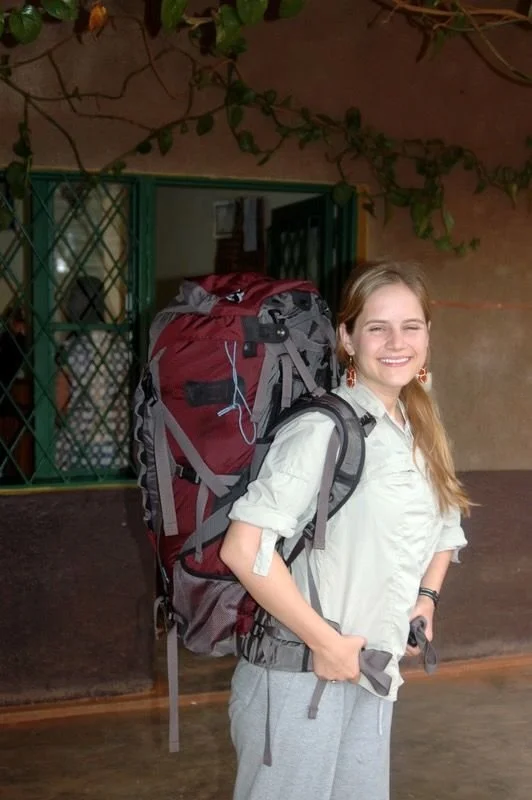
A week after graduating from Vanderbilt University, Elizabeth Dearborn Hughes boarded a one-way flight to Kigali with no job and no contacts — just a hunch that she belonged there. She spent two years volunteering with street children and co-founded Amani Africa, a scholarship programme.
The same young women kept crossing her path — survivors of the genocide who were holding up entire families, full of drive but shut out of the work that drive deserved. The problem was never ambition. It was access.
2008
Akilah by design
Elizabeth and Dave Hughes, friends and roommates at the time, were young and a little naive. They were also smitten with the country Rwanda was setting out to become. The government was making a bold bet on Rwanda's future. It invested in its people, above all its women — and it pinned real hope on tourism, betting the country could build a modern hospitality economy from the ground up. The world's experts scoffed. Rwanda's only real assets, they said, were mountain gorillas and a bit of coffee — so it should stop dreaming about luxury hotels and ecotourism. Elizabeth and Dave believed the government, not the doubters.
They set out to build something warm and steady: a place where young women could train for the careers that vision would create. So they designed the college backwards — ask Rwandan employers what they needed first, then build the courses to match. They named it Akilah, Swahili and Arabic for wise.
January 2010
Doors open
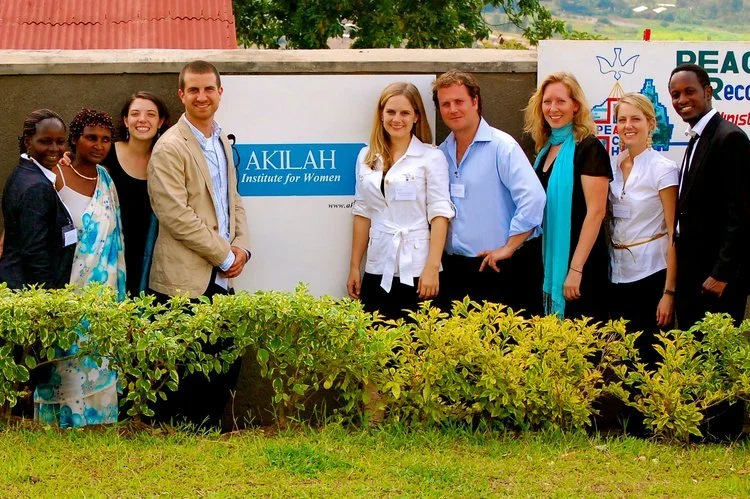
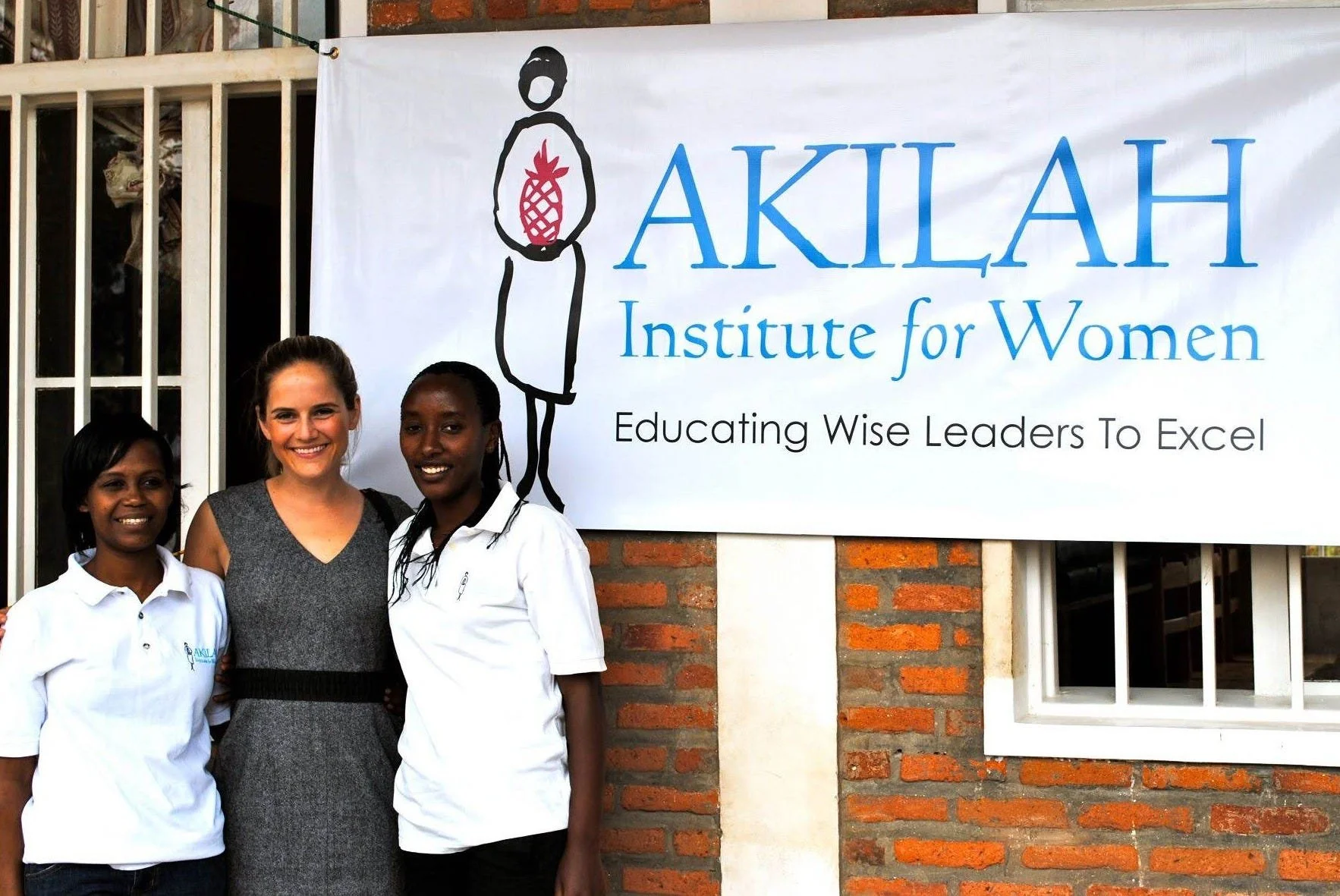
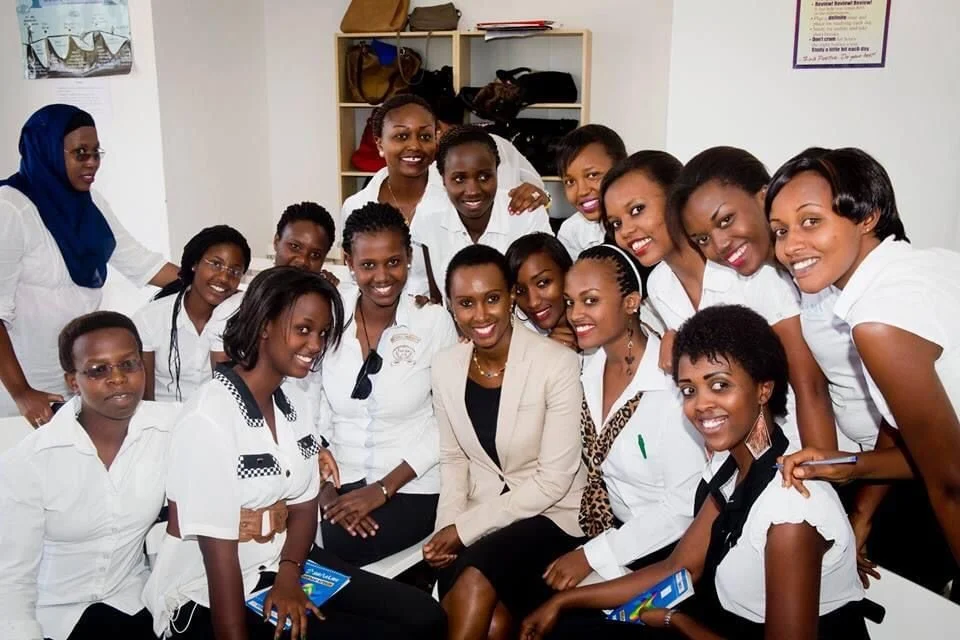
Akilah opened as Rwanda's first women's college, with fifty students and a single diploma — in Hospitality Management, the very industry the skeptics had written off. That was the point. Tourism sat at the heart of Rwanda's plans, and the country would need skilled people to run its hotels and welcome the world. Akilah set out to put young women first in line.
The founders were twenty-four years old. What they had instead of money was nerve. Most of these students had come a long way to be there — some from villages hours from Kigali, some who had walked miles to school since they were small. Their families had sacrificed for this one shot, and they did not intend to waste it.
The founders were twenty-four years old.
What they had instead of money was nerve.
2012
The first graduates
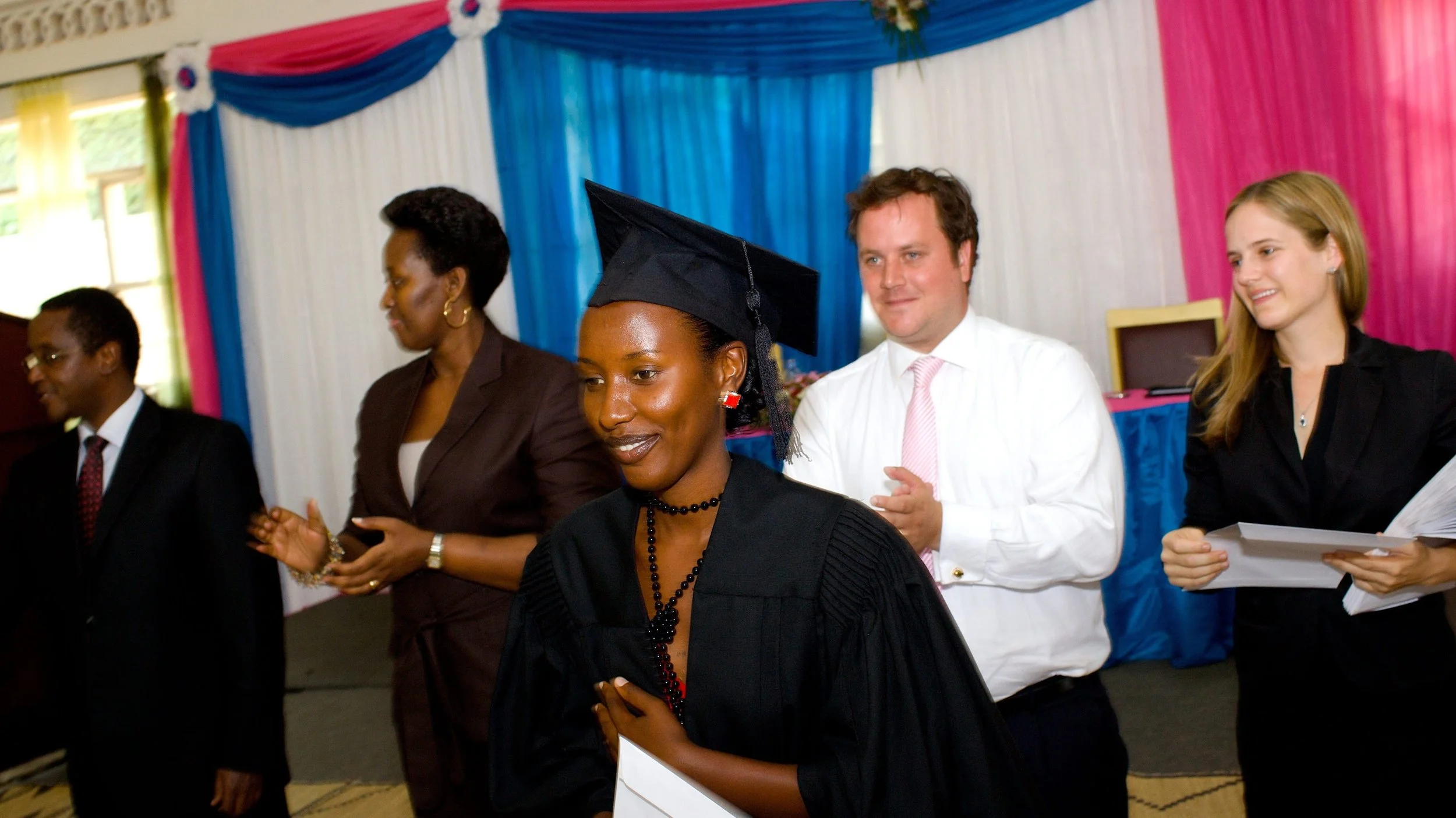
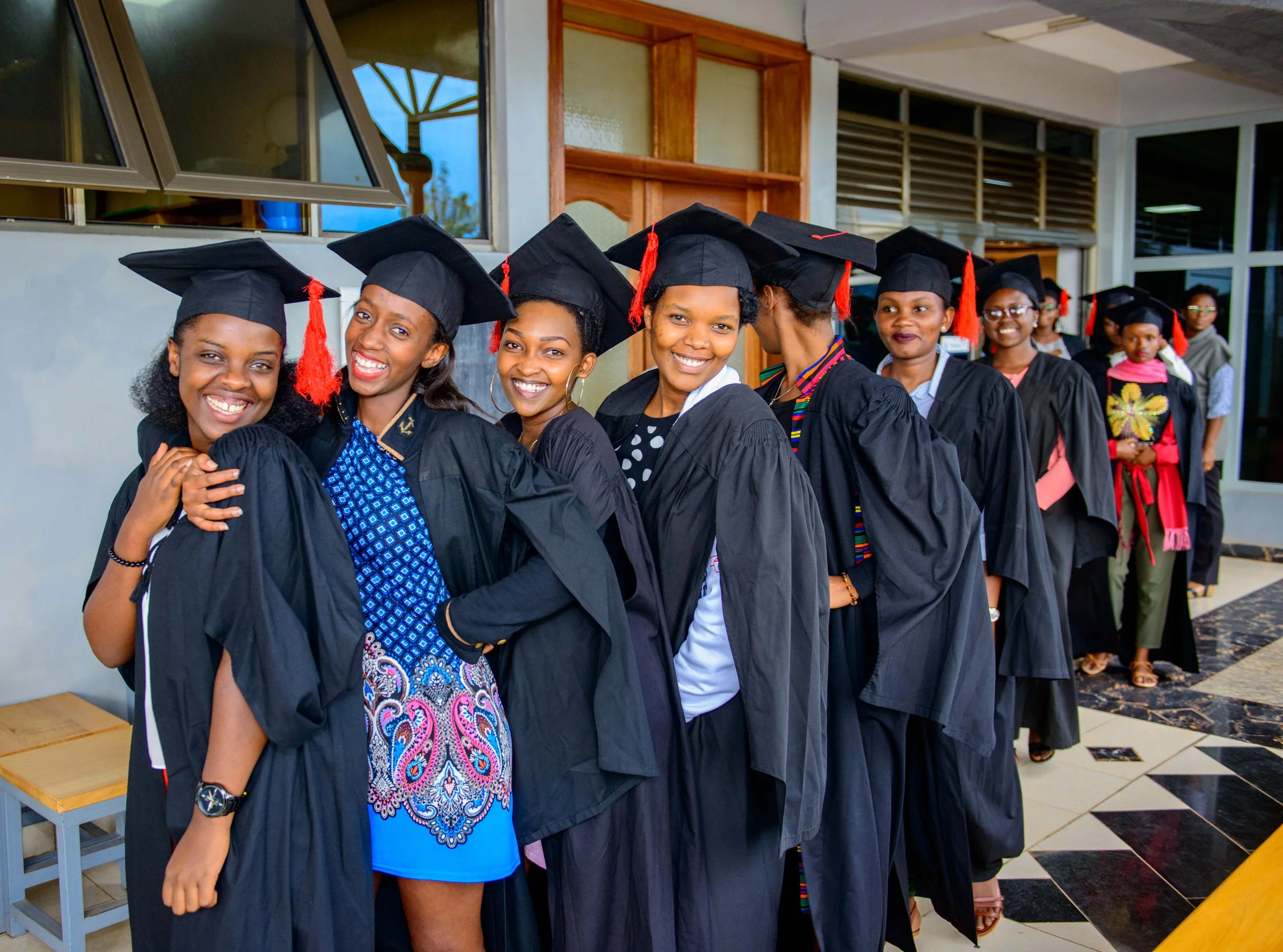
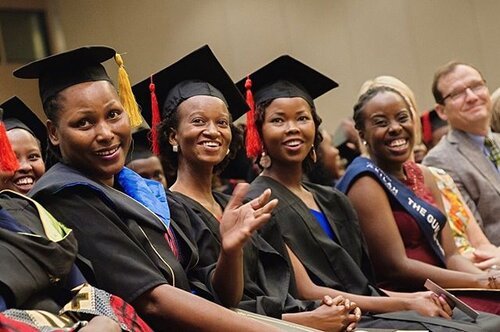
The first class crossed the stage in 2012. There was drumming and singing, and a battalion of grandmothers in their best wax prints angling for the perfect shot. Rwanda's First Lady, Jeannette Kagame, came to celebrate and hand the graduates their diplomas. Then the part that mattered most: every single graduate found work.
Akilah added a diploma in Entrepreneurship and partnered with Marriott International, which flew graduates to train in Dubai and Doha. A college that had nearly missed payroll in year one was now sending its alumnae abroad — not bad for two years in.
Every single graduate found work.
2013
A commitment on the global stage
Akilah made a commitment on the Clinton Global Initiative stage to scale its model, with the Segal Family Foundation alongside. The next campus would cross a border.
2014
A second country, a new diploma
The first class crossed the stage in 2012. There was drumming and singing, and a battalion of grandmothers in their best wax prints angling for the perfect shot. Rwanda's First Lady, Jeannette Kagame, came to celebrate and hand the graduates their diplomas. Then the part that mattered most: every single graduate found work.
Akilah added a diploma in Entrepreneurship and partnered with Marriott International, which flew graduates to train in Dubai and Doha. A college that had nearly missed payroll in year one was now sending its alumnae abroad — not bad for two years in.

2015
A setback and a stage
Political unrest forced the young campus to close, and forty-four students packed their bags for Kigali to finish their diplomas. It stung. But it also showed exactly how far Akilah would go for its students. And the year had a louder headline coming: Akilah's first all-female debate team — from a college nobody expected to show up — went and won the national championship. NPR came to find out who they were.
Remembering Dr. Carmen Nibigira
"Team, we continue."
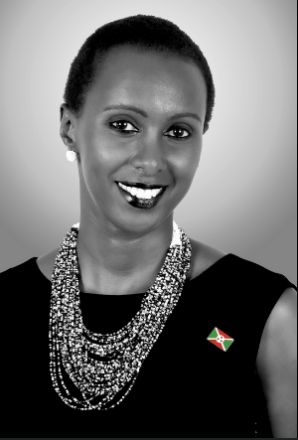
Months after Akilah opened in 2010, Carmen Nibigira called Elizabeth with a single demand — "I HAVE to be a part of this." She meant it. Over fourteen years, as a board member and then Board Chair, she became Akilah's fiercest advocate.
Burundi was her doing: she willed that campus into being, arranging meetings with the President and the Minister of Education before anyone could second-guess it. When unrest sent those students to Kigali, she found them scholarships and kept everyone moving — "Team, we continue."
Beyond Akilah, Carmen was a giant of East African tourism, the first CEO of the East Africa Tourism Platform and a champion of a borderless region. She died in Nairobi in November 2024, at forty-six. Akilah carries her legacy forward.
2016
Hired on day one
When the Kigali Marriott opened, forty Akilah graduates were already on staff — badges on and ready for the first guests. The script had flipped. Employers were no longer taking a chance on Akilah graduates — they were competing for them.
Alumni spotlight
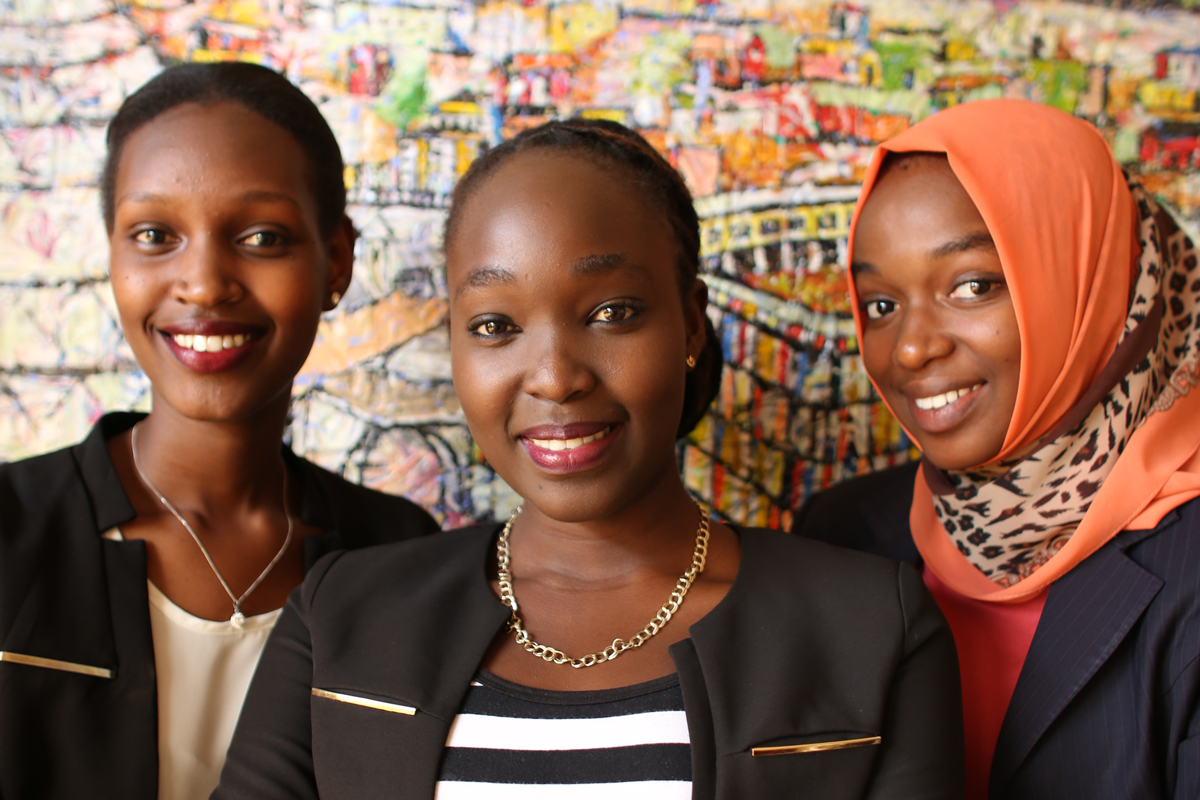
Emmanuella Belle Uwimbabazi
Emmanuella was one of the fifty women in Akilah's first class, studying hospitality at a time when few believed the industry would ever come to Rwanda. She rose to become Director of Rooms Operations at the Kigali Marriott Hotel, with a seat on Marriott's regional advisory board.
In May 2026, she received the J. Willard Marriott Award of Excellence — the company's highest honour, given to only ten associates worldwide each year — and became the first person from East Africa ever to win it. She dedicated the award to Dr. Carmen Nibigira, a mentor who gave fourteen years to Akilah.
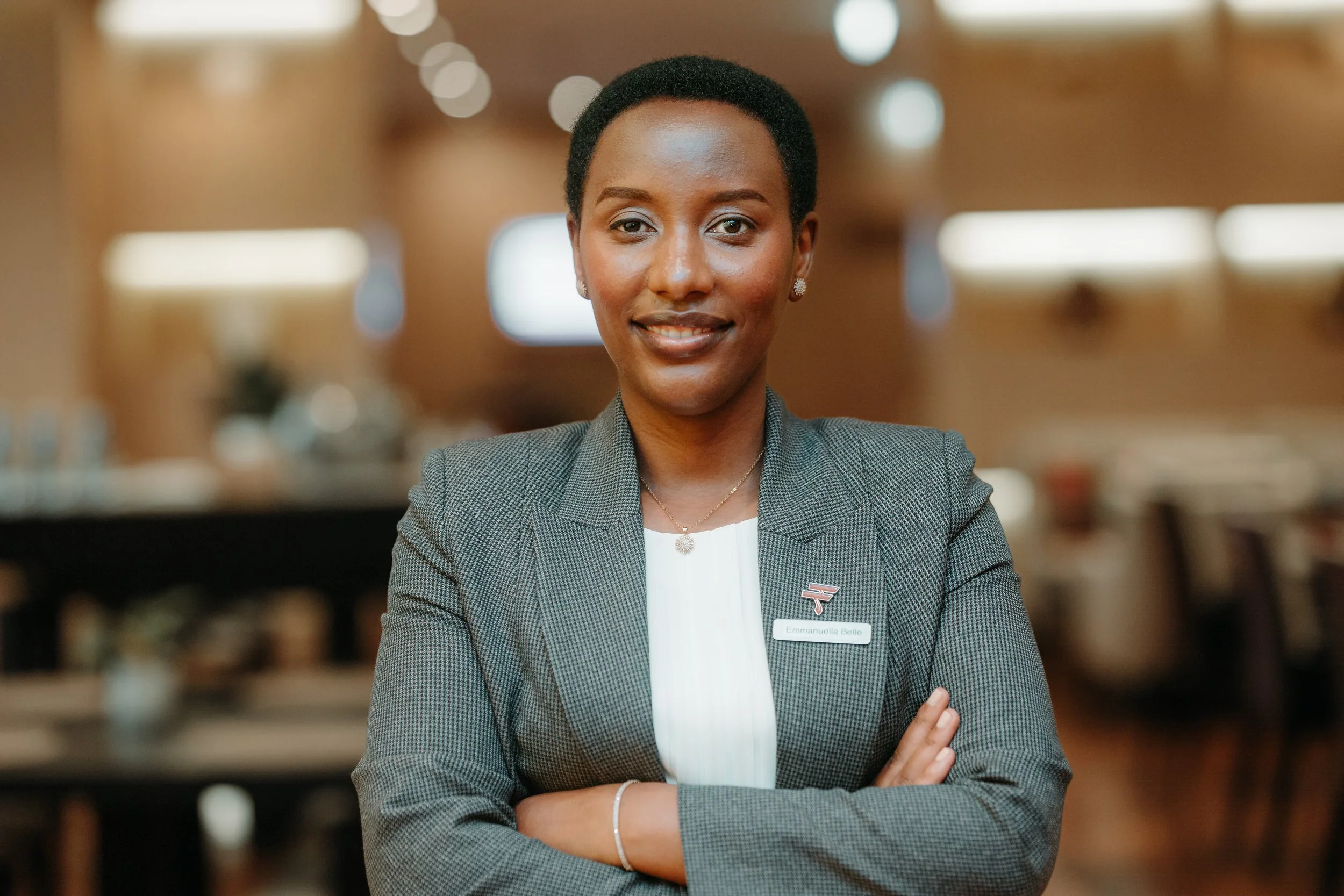
"Some mentors change your career. Carmen changed my life."
— Emmanuella Belle Uwimbabazi
2019
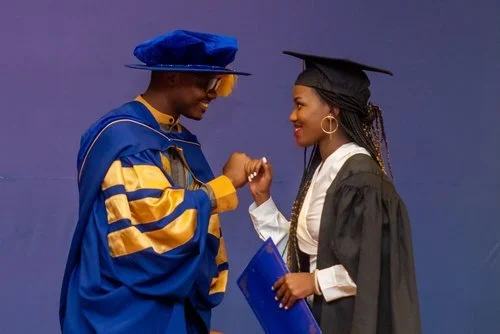
A WISE Award
The Qatar Foundation named Akilah one of just six WISE Award winners on the planet — its top honour for the boldest ideas in education. Elizabeth accepted it on stage in Doha beside Rwanda's ambassador to Qatar. Forbes named Elizabeth one of the world's most influential female social entrepreneurs. Newsweek named her one of its 125 Women of Impact.
2020
Davis College, and a pivot that worked
After years of planning, Akilah opened Davis College in the summer of 2020 — a co-ed campus built in answer to real demand from Rwanda's young men, and a government request to admit them. Akilah carried on inside it as the women's institute.
Then COVID-19 arrived and Rwanda went into lockdown. While many institutions stalled, Akilah put in the resources to move every class online so its students could graduate on time — one of the very few in the country to pull it off.
It remains one of the things we are proudest of.

2021
Google.org and the wider region
A $1 million grant from the Google.org Impact Challenge for Women and Girls launched the African Women's Workforce Initiative, carrying Akilah's model across borders into Uganda and Kenya. New certificate courses — in cybersecurity, data analysis, leadership, and English — joined Akilah's accredited diplomas in hospitality management, business management, entrepreneurship, and information systems.
What had started as one college in one city was now a regional force.

2022
Growth abroad, and a planned handover
The model kept travelling. In Uganda, the Google.org programme expanded, and hundreds more young women graduated and went to work. At home, a long-planned transition took shape: Elizabeth stepped back from the CEO role and handed Akilah to a trusted colleague, Fiston Mbanenayo, who carried it steadily forward.
This part was always by design —
a deliberate pause, with a return already
in mind.
2024
The community becomes the campus
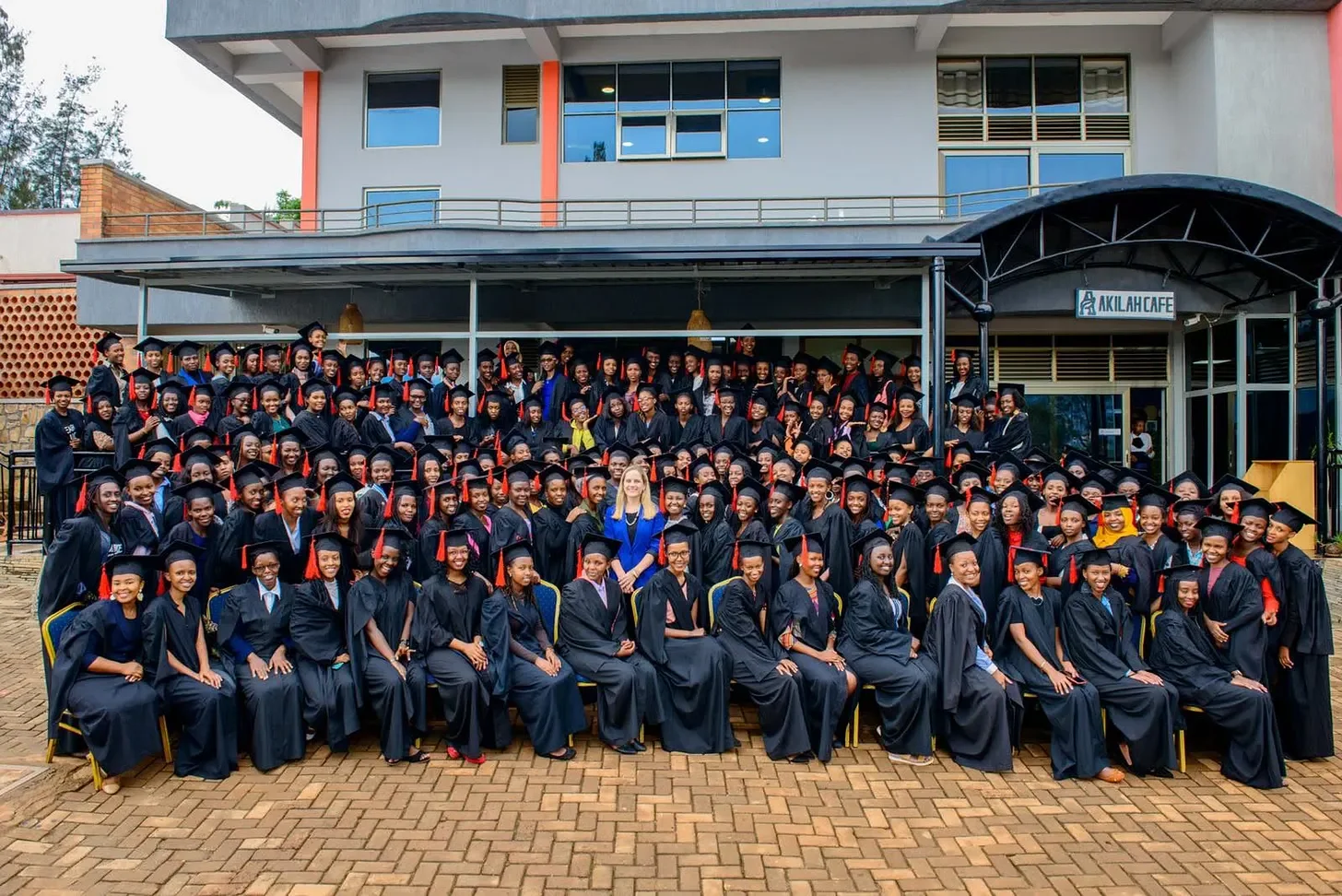
Akilah had just graduated its final class of accredited diploma students. Then new Ministry of Education regulations required every college in Rwanda to own its campus — and Akilah had always rented. So in 2024, the downtown Kigali campus closed.
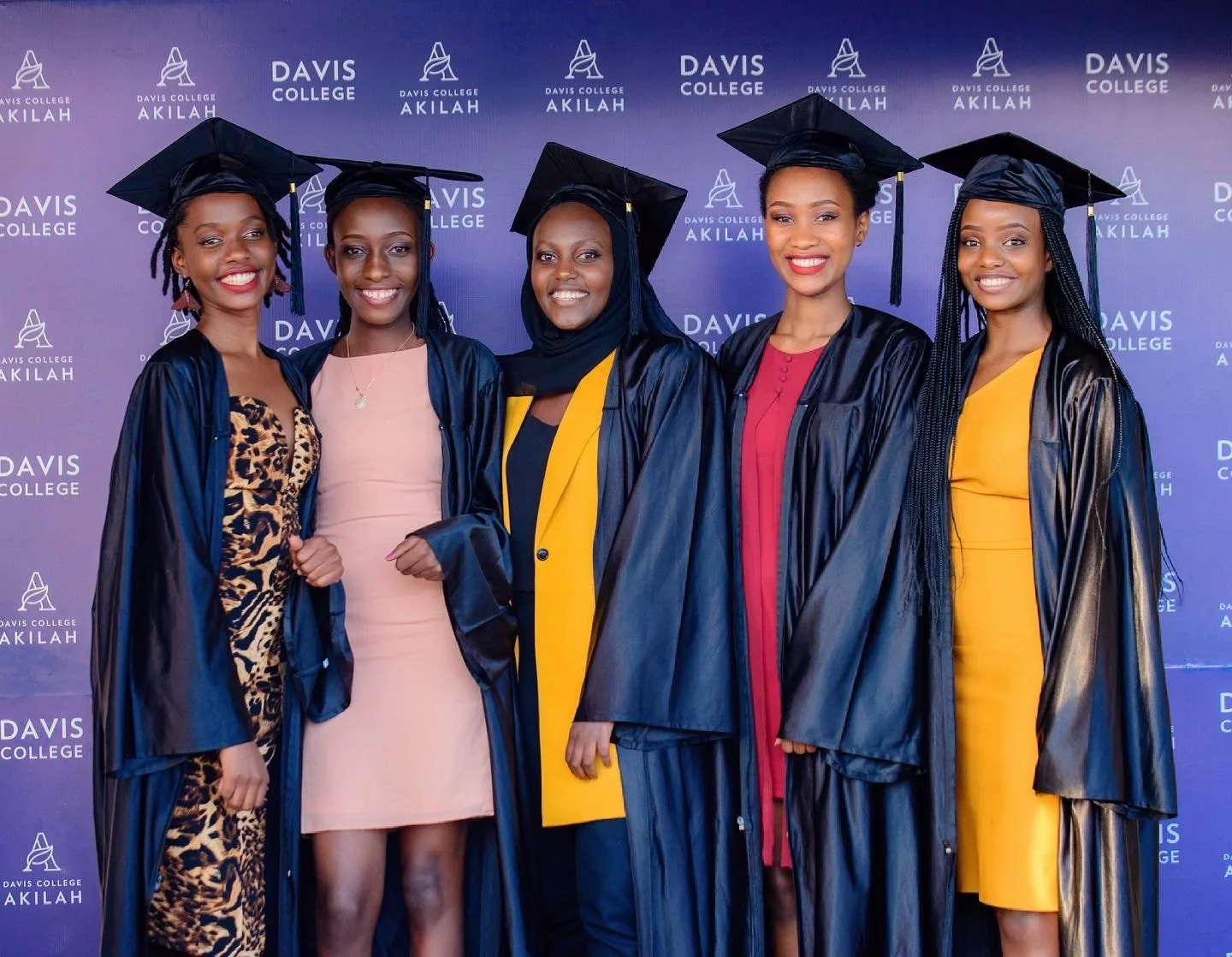
But the campus was never the point. The graduates were. Six thousand strong, they had spread across East Africa and beyond — and they had become Akilah's greatest achievement by far.
Today, Akilah graduates work at Marriott, Microsoft, MTN, Radisson Blu, One Acre Fund, and Inkomoko — and hundreds of other companies. More than 110 of them didn't join a company at all. They built their own.
So Akilah put its energy into that community.
2026 onward
Something new is coming
After nearly four years away, founder Elizabeth Hughes returned as CEO in 2026 — steadier, and ready to build again. Akilah is run today by the people it made: a lean team in Kigali, no head office abroad.
None of this happened alone. From that first nervous payroll to this moment, Akilah has been carried by people who believed in these graduates before the world did — and that belief is exactly what the next chapter runs on.
And it has already begun. Quietly, Akilah has been shaping it — years in the making, and built to reach well beyond what one campus ever could. We'll have more to share soon, and the people closest to Akilah will hear it first.
For sixteen years, Akilah proved what was possible. Now comes the fun part.
And it has already begun.
Quietly, Akilah has been shaping it — years in the making, and built to reach well beyond what one campus ever could. We'll have more to share soon, and the people closest to Akilah will hear it first.
For sixteen years, Akilah proved what was possible. Now comes the fun part.